Every place on the island and everything there is to find, all on one page. In the 3D island you find these by looking and tapping; here you can read them all at once.
The low timber bridge over the carrier at the island's eastern edge.
Sticks from the bridge
What happens: If you tap a twig on the deck, it drops into the water on the upstream side, slides under the bridge and comes out the other side, then drifts round the bend or catches on something. Tap again and a new twig takes a slightly different line.
When: All year round.
The carrier is always moving, even where it looks still. Drop a twig on one side and the current carries it under the bridge. Does the next one come out in the same place?
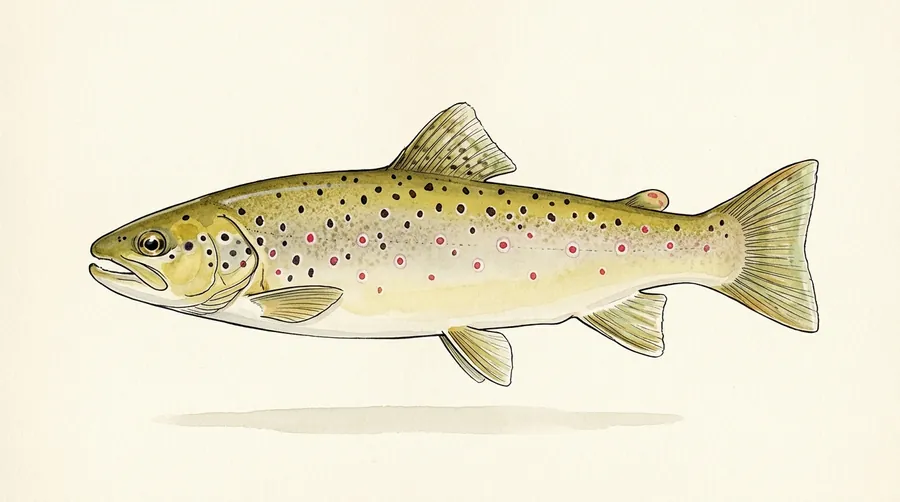
What happens: If you tap a ring spreading on the water below, a trout's back and tail break the surface as it takes a fly, then it sinks back to the same spot facing upstream.
When: Spring, summer and autumn.
A trout takes a fly from the surface, then drops back to its place. It faces upstream so the current brings food to it.
The narrower, shallower channel between the island and the outside hedge, with roots, fallen branches and leaves.
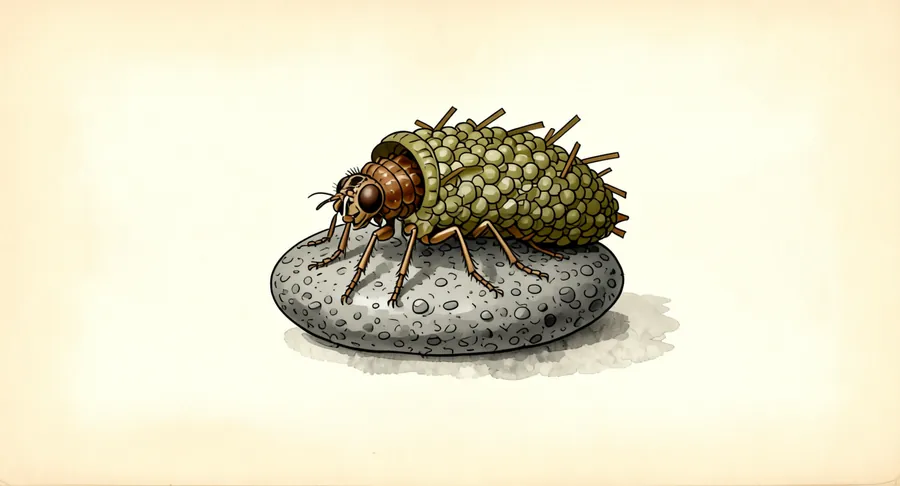
A stone that walks
What happens: If you tap what looks like a short twig of sand on a stone, a head and six legs come out of one end, and it slowly hauls itself across the stone.
When: All year round.
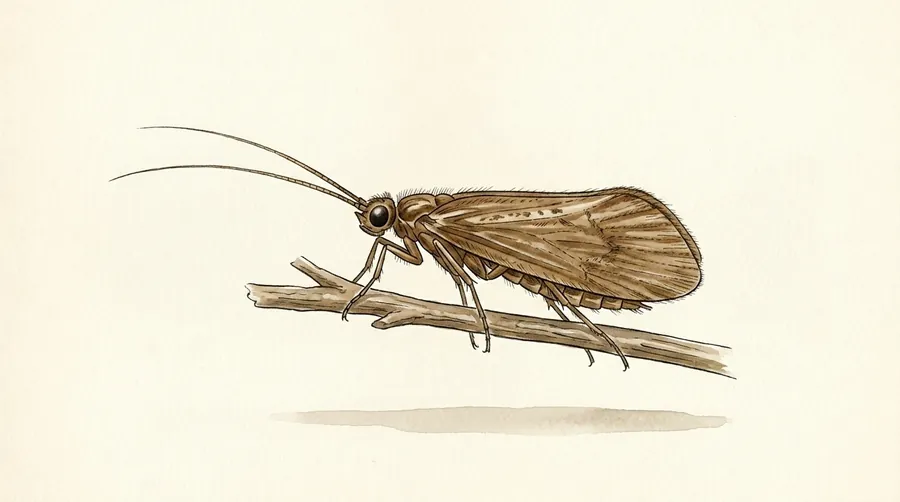
This is a caddisfly larva in a case it built itself, from sand grains stuck together with silk. The case is its armour while it feeds underwater.
What happens: If you tap the fallen branches reaching into the carrier, for a few seconds pale lines on the water show it squeezing past the wood and slowing in the pockets behind.
When: All year round.
Water speeds up through the gaps and slows down behind the wood. Fast and slow patches side by side give different animals different places to live.
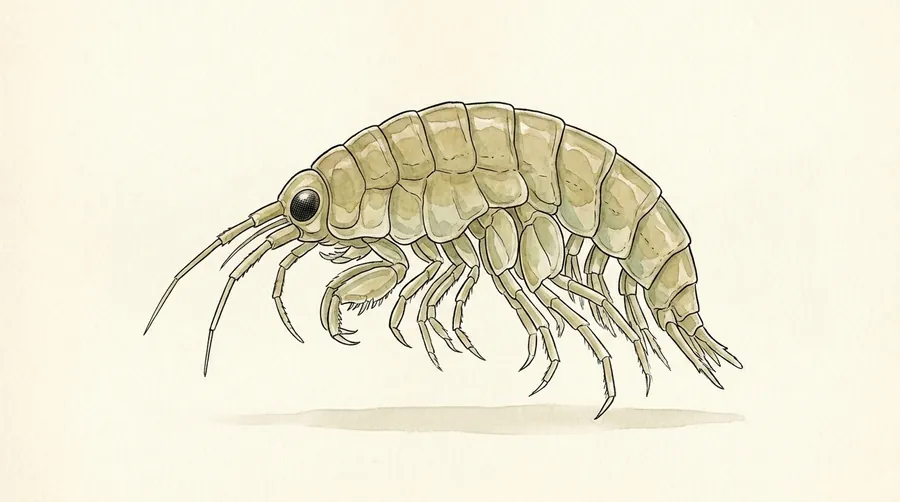
What happens: If you tap a dark clump of leaves wedged against a root, it lifts slightly, and several small curved shrimps swim out on their sides and tuck back underneath.
When: Summer, autumn and winter.
Freshwater shrimps feed on rotting leaves and break them into smaller bits. A fish that eats a shrimp is getting energy that started in a tree.
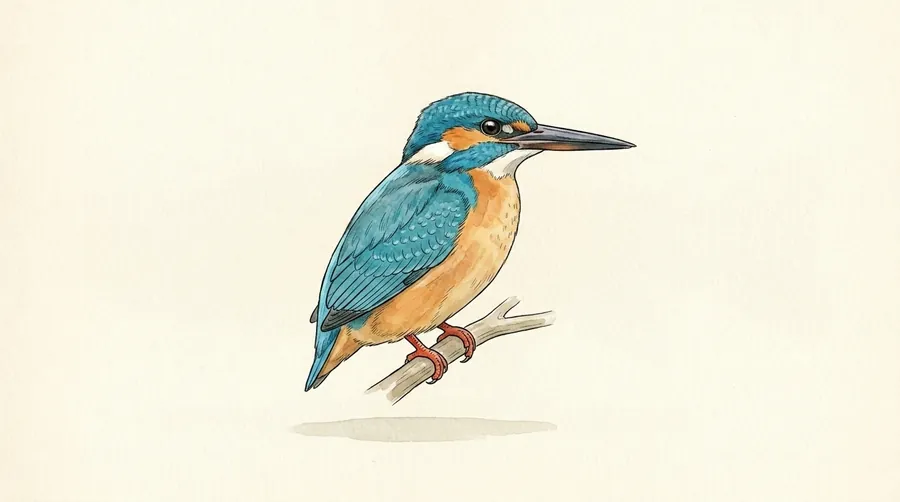
What happens: A low branch over the water. If you have stayed still for a few seconds, a kingfisher is sitting on it. Tapping it makes it dip its head, dive, and come back with a small fish. If you have been moving about, there's only a flash of blue and a thin whistle as it flies off low along the river.
When: All year round.
A kingfisher waits on a branch over the water, watching for a small fish below. Then it dives bill first. A good perch matters as much as good fishing water.
The crack willows along the banks and through the island.
A twig that cracks
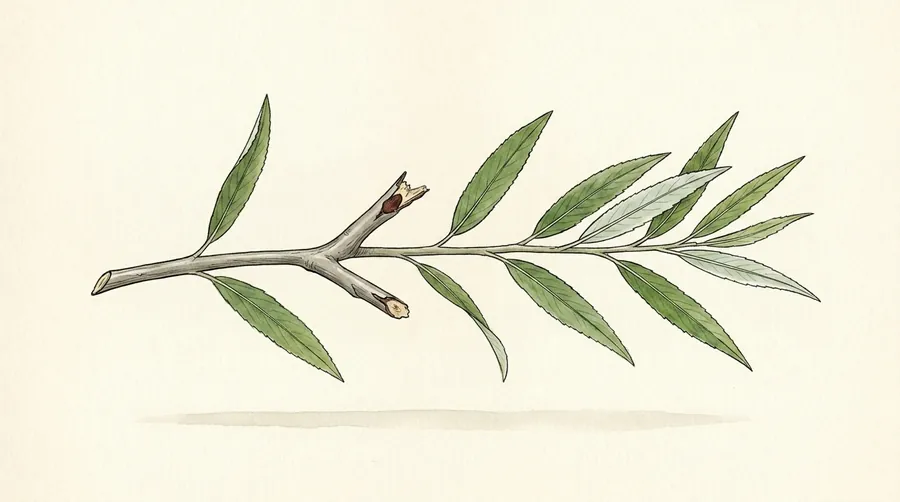
What happens: If you tap a thin willow twig, it snaps off at the base with a small, clean crack, drops into the water and floats away.
When: All year round.
Crack willow twigs snap off easily. A twig carried downstream can catch in a muddy bank and grow roots, so a new willow can start a long way from its parent.
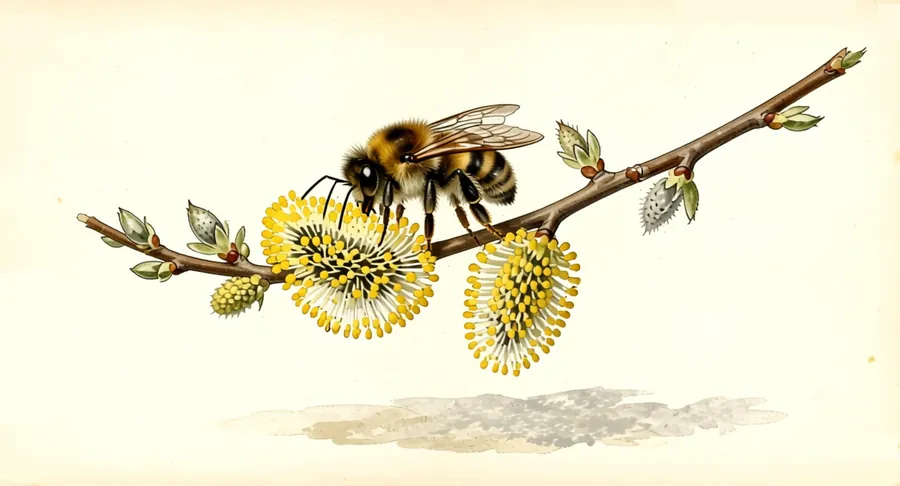
What happens: If you tap a catkin on a bare-looking spring branch, a puff of yellow pollen drifts off, and a bumblebee arrives and works along the twig.
When: Spring.
Willows flower early in spring, before most meadow flowers have opened. For a bee just out of winter, a willow in flower is a welcome meal.
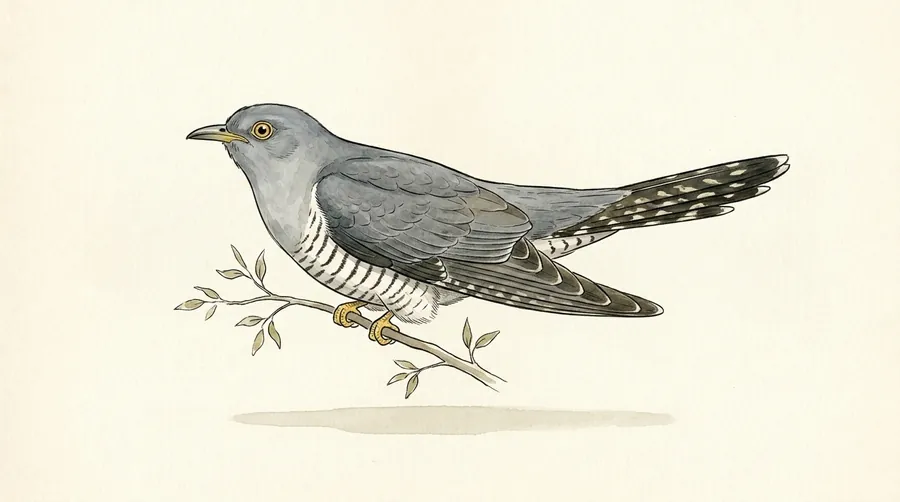
What happens: A two-note call carries from somewhere in the trees. Tap where it seems to come from, and a long-tailed grey bird drops from a branch and flies off low.
When: Spring and summer.
Cuckoos spend the winter in Africa and come back in spring. A cuckoo doesn't raise its own chick: another bird feeds it in its nest.
The wooded middle of the island and its big black poplar.
Leaves that tremble
What happens: If you tap the poplar's crown, even in a light breeze the leaves flutter and flash, with a soft dry rustle the willows don't make.
When: Spring, summer and autumn.
Black poplar leaves hang on long, flat stalks, so they twist and flutter in the slightest breeze. When the wind catches the tree, all those leaves rustle together with a soft, pattering sound.
What happens: If you tap a cluster of fungi on a fallen branch, a faint puff of spores drifts off the underside and fades.
When: Spring, autumn and winter.
Most of a fungus is hidden: fine threads spread through the wood and break it down. What you see here grows from those threads and drops spores, which can start new fungi.
The wildflower meadow on the slightly higher ground.
The cut strip
What happens: If you tap the edge of the short, freshly cut grass, a ghost of the tall summer grass rises, crowding the small flowers, then falls away to the cut.
When: Summer, autumn and winter.
Left alone, tall grasses and scrub would crowd out the smaller flowers. Cutting the meadow in late summer and winter gives them room and light again.
The lower, wetter ground towards the water, including the mowable wet edge and the seasonal ditch.
The ditch that comes and goes
What happens: If you tap the ditch, what happens depends on the season. Spring: tadpoles scatter from the shallows. Summer: it's dry, and lifting a twig shows beetles and woodlice. Autumn: wet leaves collect in the hollow. Winter: water runs along it carrying leaves past the grass stems.
When: All year round.
In spring: In spring the ditch is full of tadpoles. The sheltered shallows give them a place to feed and grow.
In summer: The ditch is dry in summer, but under a twig it's still cool and damp. Beetles and woodlice shelter here.
In autumn: Leaves pile up in the dry ditch. Damp leaves make a home for small animals that break them down.
In winter: In winter water flows along the ditch again, joining up places that were dry and separate in summer.
Things you notice wherever you stand: the light, the weather and the hill on the skyline.
The mayfly evening
What happens: If you tap a cloud of pale flies over the water, they rise and fall together. One lands on your nearest leaf, and below it a trout's back rolls at the surface.
When: Spring.
Mayflies spend most of their lives underwater, sometimes for more than a year, and only a short time with wings. When they leave the water, trout below and birds above are waiting.
What happens: If you tap a dark cloud, rain falls, the river's surface fills with rings, and the ditch darkens as it soaks up water.
When: All year round.
The ground is like a sponge with a changing store of water. Rain fills it up, while plants and flowing channels take water away. When the sponge is full, the water has to go somewhere.
What you see when you look beneath the water: the riverbed, and in the flood the drowned meadow.
A burrow in the sand
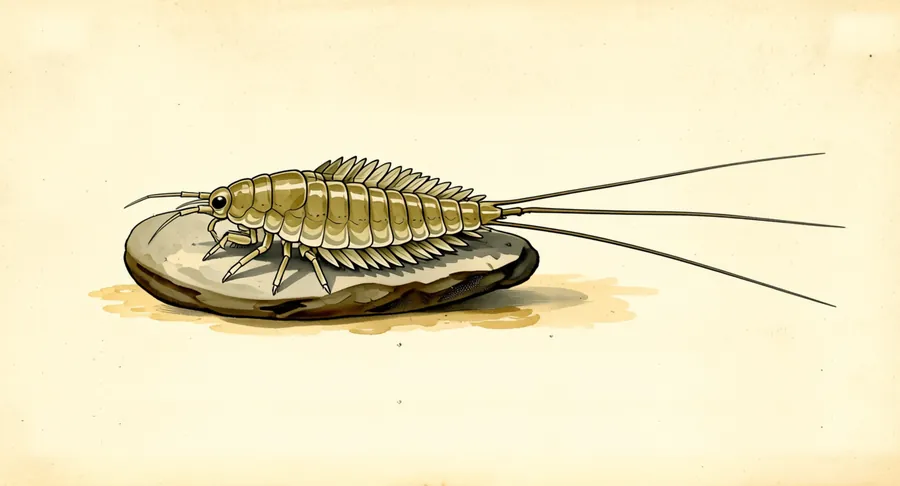
What happens: If you tap a small hole in a sandy patch among plants, a mayfly nymph backs out of the burrow, its feathery gills beating along its back, and backs in again.
When: All year round.
This is a young mayfly, called a nymph. It lives in a burrow in the sand, and its feathery gills keep water moving through it so it can breathe.
What happens: If you tap a trout behind a stone, faint lines show the current racing past either side, while the trout barely moves its tail. Then it darts out to grab something drifting by and comes back.
When: All year round.
Behind the stone the water is slower, so the trout can rest there without much effort. Food drifts past in the fast water beside it.
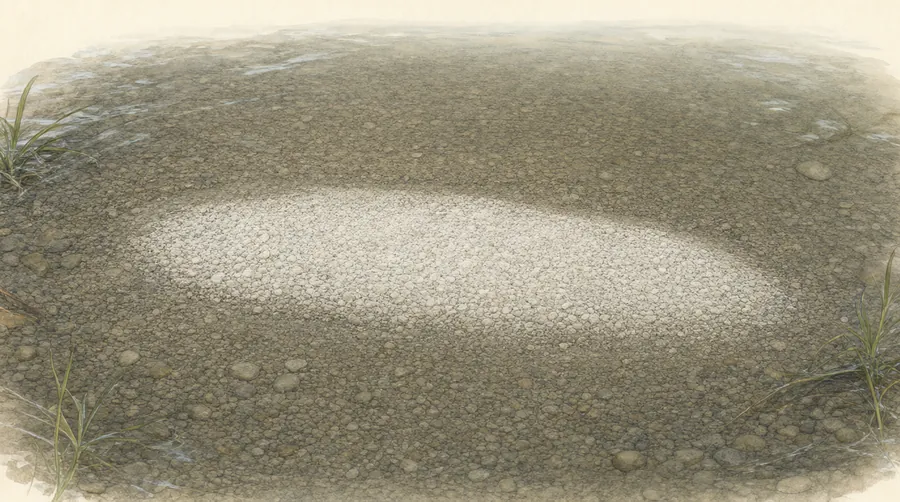
What happens: If you tap a pale, freshly turned patch of gravel, the bed opens into a cutaway: orange eggs tucked between the stones, with water slowly seeping through the gaps.
When: Winter.
In winter, a female trout digs a shallow nest in the gravel, called a redd, and lays her eggs there. Water flowing between the stones brings the eggs the oxygen they need.
What happens: If you tap a softened leaf on the bed, tiny shapes appear on it (microbes, drawn bigger), then a shrimp and a small larva start chewing at the edge and it frays into bits.
When: Autumn and winter.
While a leaf stays wet, fungi and bacteria grow on it and soften it. Then small animals can shred it, and even smaller ones feed on the pieces.
What happens: In the flood, look beneath the water over the lower meadow. Grass stems lean in a slow current, and the soil below shows its spaces filled with water, not air.
When: Only in the winter flood.
Under the floodwater, the meadow grass is still there. The soil is soaked right through, and air reaches the roots much more slowly than usual. Plants of wet ground have ways to cope.
The pointed north tip of the island, where the river splits in two. An old hand-painted sign says its name.
One river becomes two
When: All year round.
Here one river becomes two. The water coming towards you meets the point of the island and has to go one way or the other. Drop a few leaves and watch where they go: most slip away down the wide main river, and only a few go into the narrow carrier. The bigger channel takes most of the water, so it carries most of what floats.
Why the tip is pointed
When: All year round.
The river and the carrier split apart here, so the land between them starts as a narrow point and gets wider as they spread. The water keeps shaping it. Fast water wears soil away from the edges, and where the water slows down, sand and silt sink and settle. Willow roots help hold the bank together. Standing here feels like being at the front of a boat.
A line of flood rubbish
When: Winter and spring, while the water is below the line.
See the tangle of twigs and dry grass caught on the old stump? In a flood the water came up this high and carried all of it along. When the water went down, it left the rubbish stuck at the highest point it reached, like the ring round a bath.
The heart of the island: a ring of crack willows round a dead ash, a fallen limb to sit on and an old fire patch. Paths lead from here down both sides to the tip.
A dead tree full of life
When: All year round.
This ash tree has died, but it is still busy. Beetle grubs tunnel through the dead wood, fungi slowly soften it, and woodpeckers chip into it to find food and make nest holes. Many ash trees in Britain have a disease called ash dieback, but a few seem able to resist it.
A climber on a dead tree
When: All year round.
Hops can't hold themselves up. The stem winds round other plants, gripping with tiny hooked hairs, and climbs towards the light. Every winter it dies back, and in spring new shoots climb all over again.
Why it's called crack willow
When: All year round.
Bend a crack willow twig and it snaps off at the base with a crack. That's how the tree got its name. A snapped twig carried downstream can take root in a muddy bank and grow into a new tree.
Under the fallen limb
When: All year round.
Woodlice dry out easily, so in the daytime they hide somewhere damp and dark, like under this old limb. They eat rotting wood and dead leaves, and help turn them back into soil.
A blushing bracket
When: All year round.
This shelf is a blushing bracket, a fungus that loves old willow. Its pale underside turns pinkish red where it gets bruised, which is how it got its name. Like every fungus here it's slowly feeding on the wood, so it's one to look at and leave growing.
An old fire patch
When: All year round.
The ground here is blackened by old fires. Wood ash adds potash and phosphate to the soil, and nettles grow best where there is plenty of phosphate. That's why nettles often crowd round old fire patches, and the ground can stay rich for many years.
Sit still and wait
When: All year round.
If you sit still and quiet, the animals that hid when you arrived soon start coming back. Watching wildlife is mostly about waiting.
A name in the nettles
When: All year round.
Someone once called this clearing Tadpole's Tummy. Look at a map of the island: can you see why?
A kingfisher fishes from a branch over the main river, and a little round hole in the earth bank across the water opens into a nest.
Bill first
When: All year round.
The kingfisher sits very still, watching the water. When it spots a small fish, it drops straight in, bill first, and grabs the fish in its beak. Its long, pointed bill slips into the water so neatly that engineers in Japan copied its shape for the nose of a very fast train.
Head first
When: All year round.
Back on its branch, the kingfisher bashes the fish against the wood until it stops wriggling. Then it flips the fish round and swallows it head first, so the fins and scales fold down flat instead of catching in its throat.
A door in the bank
When: All year round.
That little round hole could be a kingfisher's front door. A pair dig a tunnel into a steep earth bank, about as long as your arm, with a round room at the end. See the two little grooves at the bottom of the hole? They are worn by the birds' feet going in and out.
Taking turns
When: All year round.
Six or seven chicks can be packed into that dark little room. They sit in a ring, and the one at the front gets the next fish. Then it shuffles round to the back, so everyone gets a turn.
Watch from a distance
When: All year round.
Kingfishers are specially protected by law in the UK, so disturbing a nest is against the law. The best way to enjoy them is to watch quietly from a distance, and let them get on with fishing and feeding their chicks.
A young black poplar stands in its own glade in the wood.
A rare tree
When: All year.
This young tree is a black poplar, one of the rarest native trees in Britain. Each black poplar is male or female, and most of the ones left are male, so very few seeds are made. The seeds also need bare, wet mud by a river to grow. So people grow new ones from cuttings: a twig pushed into damp ground grows roots.
Bronze new leaves
When: April to early May.
In spring the black poplar's pointed buds open, and the new leaves often come out a bronze colour. They turn green as they grow.
Fungi grow on fallen willow all round the island, each in its own season, and tall plants line the water's edge.
Turkeytail
When: All year round.
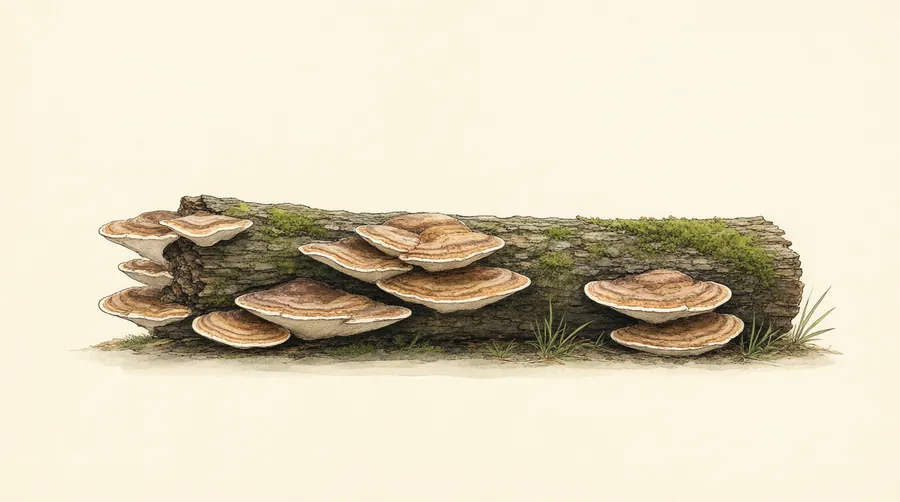
These thin, wavy shelves are turkeytail. Their rings of brown, grey and cream look like a turkey's tail fanned out for show. Fungi are for looking at, not picking: they're busy turning this log back into soil.
Hairy curtain crust
When: All year round.
Rows of thin, wavy, yellow-brown frills like these are hairy curtain crust. Most bracket fungi have tiny holes or gills underneath, but this one is smooth, and its spores grow straight from that smooth skin. Look closely, and leave it to its work on the wood.
Hairy bracket
When: All year round.
This pale grey shelf is a hairy bracket, a close cousin of turkeytail. Its top is covered in short, stiff hairs, which is how it got its name. Some wild fungi are poisonous, so they're for looking at, not picking.
Velvet shank
When: November to March (seasonal).
These shiny orange caps are velvet shank, a mushroom that comes up in the middle of winter. On a frosty night it can freeze solid, then thaw out and carry on growing. Some wild mushrooms are poisonous, so these are for looking at, not picking.
Chicken of the woods
When: May to November (seasonal): bright May to July, fading from August.
These bright shelves are chicken of the woods. Their Latin name, sulphureus, means the colour of sulphur, and in early summer they really do glow yellow and orange. Wild fungi are for looking at, not picking: some are poisonous, and all of them are feeding the wood.
These shelves are chicken of the woods. In early summer they were bright sulphur-yellow and orange, but now they have faded pale and chalky, and soon they will crumble away. Wild fungi are for looking at, not picking: some are poisonous, and all of them are feeding the wood.
Comfrey
When: March to October (seasonal): flowers May to July, dying back from September.
Comfrey has big, hairy leaves, and in early summer it hangs out bunches of bell-shaped flowers, cream, pink or purple. Bumblebees love it. Some bees have tongues too short to reach the nectar, so they bite a hole at the bottom of the flower and steal it.
Hemlock water-dropwort
When: March to October (seasonal): flowers June and July, then seed heads, dying back from September.
This tall plant at the water's edge is hemlock water-dropwort. In early summer it opens white flowers in flat umbrellas, and its shiny leaves look a bit like celery. It is one of the most poisonous plants in Britain, so this one is for looking at and never touching.
Off the island over the carrier bridge, a path runs along the carrier bank and over a little plank bridge where a ditch flows into the carrier. Through a gap in the hedge, a track runs up beside the ditch to the road, and paths are mown through the long summer grass of the lower meadow and The Meadow on the higher ground.
The mown path
When: May to August, until the meadow is cut.
All summer The Meadow is left to grow tall, with just a path mown through it in two loops. Walk the path and the grasses, flowers and insects are all around you, but most of the meadow stays untrodden, so the animals living in the long grass are left in peace.
The cut
When: From the end of summer to February.
At the end of summer The Meadow is cut, and every bit of the cut grass is raked up and taken away. Left lying, it would rot and feed the soil, and rich soil helps big, strong grasses crowd out the flowers. Seed of yellow rattle, a little plant that weakens grass, has been sown here to help too.
The uncut edge
When: Autumn and winter, after the cut.
When The Meadow is cut, a few patches round the edge are left standing for a while. Ladybirds and other small insects spend the winter tucked inside hollow stems and old seedheads, and birds such as goldfinches come to pick out the seeds. By spring these patches are cut too.
The lower meadow
When: All year (under water in a winter flood).
This lower ground is wetter, and most winters the floods leave a fresh layer of silt on it. The plants grow too thick to mow, so it is cut just once, at the end of summer, and meadowsweet, yellow flag iris and nettles grow tall and dense. It's a different world from the meadow just uphill.
The ditch that comes and goes
When: All year, different in each season.
In spring water still runs down the ditch after the winter. Frogs sometimes lay their spawn in quiet ditches like this, and by May the shallows can be full of tadpoles.
By summer the ditch has dried out, and the mud at its bottom cracks in the sun. Under the rushes it stays cool and damp, and beetles and woodlice shelter there.
The ditch is still dry in early autumn, and fallen leaves collect in the bottom. When the autumn rain comes, it is one of the first places to fill with water again.
In winter water fills the ditch and runs down it into the carrier. Ditches like this help to drain a field, but when the river is high, water can back up them the other way.
Each flower has its own months. Cowslips, oxeye daisies and field scabious grow on the higher, drier ground of The Meadow, and ragged-robin on its damp edge. Meadowsweet, yellow flag iris and gypsywort grow in the wetter ground of the lower meadow and along the ditch.
Cowslips
When: April and May.
Cowslips hang their nodding yellow bells in a bunch at the top of one stalk. They flower in spring on the higher, better-drained ground. A few steps downhill the soil can still be soggy after the winter flood, and that's enough to change which plants grow.
Ragged-robin
When: May and June.
Each of ragged-robin's five pink petals is split into four thin fingers, which is why it looks so ragged. It likes damp ground, and here it grows along The Meadow's wet edge, where cutting stops taller plants from crowding it out.
Oxeye daisies
When: June to August, until The Meadow is cut.
Oxeye daisies like plenty of light. If the grass grows too thick and tall, they get shaded out. That's one reason The Meadow is cut every year and the cuttings are taken away.
A bee on the scabious
When: July to September (after the cut, only in the patches left standing).
Each lilac pincushion on a field scabious is a crowd of tiny flowers. Nectar gives the bee energy, and the pollen it carries from flower to flower helps the plant make seeds. The bee and the flower both get something from the visit.
Meadowsweet froth
When: June to August (until the lower meadow is cut).
Each creamy head is lots of tiny flowers packed together. Meadowsweet grows tall in damp ground, and its flowers feed visiting insects.
Swords at the water's edge
When: Leaves April to October; flowers May to July.
Yellow flag iris grows where the ground is waterlogged. In early summer big yellow flowers open above its sword-shaped leaves, and its thick clumps make cover for small animals right at the water's edge.
Flowers in rings
When: July to September.
Gypsywort hides its flowers in rings where each pair of leaves joins the stem. Follow the stem down and count the rings.
At the main river, "Look back in time" opens a time dial. Each time shows how the island and Old Sarum, the round hill to the north-north-east, might have looked.
Iron Age: A fort on the hill
When: More than 2,000 years ago
Look north-north-east to the round hill of Old Sarum. Imagine a great ring of bank and ditch dug round its top, and people living inside. Iron Age pots have been found down here by the river too.
Old Sarum: the hillfort: People dug the ring of banks and ditches round this hill in the Iron Age. Imagine a fence of sharp wooden stakes along the top of the bank, and gateways at the east and west ends. Inside are small round houses.
Roman: Roads to Sorviodunum
When: Nearly 2,000 years ago
Imagine the Roman town of Sorviodunum around Old Sarum, with roads leading away from it. One road ran south-west towards Dorchester. Archaeologists traced its line to the river, where it crossed at this island. Perhaps travellers crossed in two stages: over the big river, across the island, then over the narrow stream. Nobody knows for sure.
Old Sarum: Sorviodunum: The Romans called this place Sorviodunum. Several big Roman roads met here, and most of the Roman houses and workshops were outside the old banks, along the road down towards the river.
Saxon: A safe place on the hill
When: More than 1,000 years ago
In Saxon times Old Sarum was a burh: a defended place where people could shelter when raiders came. In 1003 a Viking army burned the town of Wilton, then went to Sarum, and then back to the sea where its ships were.
Old Sarum: the Saxon burh: Imagine the old banks mended and topped with a timber fence, so people could shelter inside. Some historians think a planned town with straight streets grew at the foot of the hill, towards the river. Soon after 1003, coins were made here, at a mint.
Medieval: Who mends the bridge?
When: 1320
In 1320 a jury met at Kingsmill, below Old Sarum, to settle who had to mend the bridge there. Bemerton and Quidhampton owed half, and Stratford the other half. About sixty years later the bridge was broken again.
Old Sarum in 1320: The castle still stands on its mound. But the great cathedral has been left: about a hundred years before, it moved down to the river meadows, where Salisbury Cathedral is now. Imagine its empty walls on the hill.
1793: A name on a map
When: 1793
In 1793 a map of the land belonging to Old Sarum named a field beside the Avon near here: Kingsbridge Meadow. A name can remember a bridge long after the bridge has gone.
Old Sarum in 1793: By now the hill is quiet: grass banks and ditches, with the old stones buried under the turf.
Today: Back to today
When: Now
The banks of Old Sarum are grass now. You can still see the ring of ditches on the hill to the north-north-east.
Old Sarum today: The great ring of banks is still there. On top are the ruins of the castle, and low walls that mark out where the cathedral stood.
Old Sarum: Castle and cathedral
When: About 900 years ago
Imagine a stone castle on the mound in the middle, and a huge cathedral in the north-west part of the ring. The first cathedral was finished in 1092 and was badly damaged almost at once, so it was rebuilt bigger.
Two steps across?
When: In Roman times.
Archaeologists followed the Roman road's line to the river, and it crossed the river at this island. Perhaps it crossed in two stages: a ford or a bridge over the big river, then a small one over the narrow stream, with the island in between. Nobody knows for sure. Imagine the travellers, wet to the knees.
Travellers on the road
Imagine travellers walking the road from Sorviodunum towards Dorchester, with a mule carrying their bags.
A cart on the way
Imagine a farm cart pulled by an ox, heading for the bridge. If the bridge was broken, the carter had a long way round.
The map-maker
Imagine a map-maker measuring the fields with a long metal chain, writing names onto the map. This one says: Kingsbridge Meadow.
Short animations of things that take too long, or happen too far underwater, to watch on a visit. Each plays by itself, and you can pause it or step through.
Mayflies
Where: At the carrier shallows in spring and summer.
Under the water. This young mayfly, called a nymph, has grown on the riverbed, breathing through the feathery gills along its back. Now it leaves the bottom and swims up towards the light.
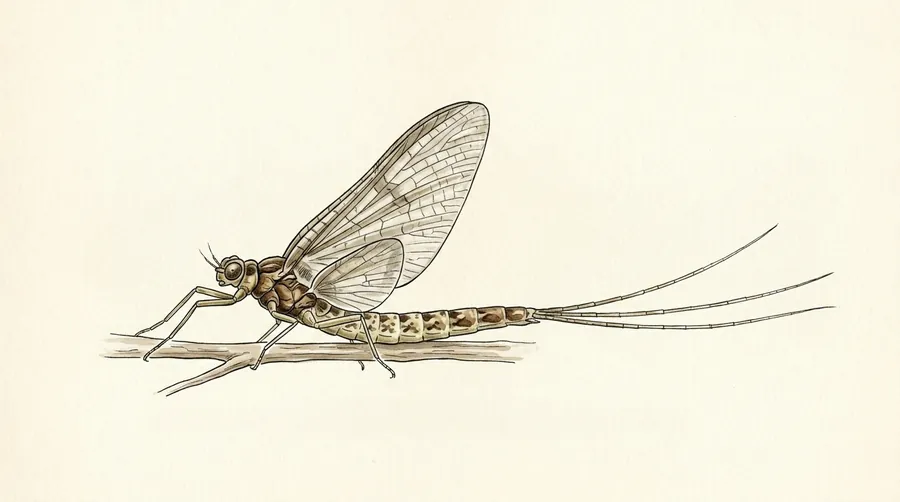
Out of the skin. At the surface the skin splits along its back. The mayfly pulls itself free and its new wings unfold. This first winged stage is called a dun.
Off to the bank. The dun flies to a plant beside the river to rest. Its empty nymph skin floats away on the water.
One more change. On the leaf it sheds its skin once more, even from its wings. Now it is a spinner, with clear, shiny wings. No other insect changes its skin after it can fly.
The evening dance. On a warm evening the spinners dance in a cloud over the water, rising and floating down. The females dip to the surface and drop their eggs into the river.
The end of the day. Their work done, the spinners fall onto the water with their wings spread flat. A trout rises quietly to take one.
A trout redd
Where: At the main river (or the nearest dry place in a flood), November to February.
Winter gravel. In winter, brown trout look for clean, loose gravel where shallow water runs fast. The moving water keeps the gaps between the stones open.
Digging the nest. The female trout, called a hen, turns on her side and beats her tail hard against the bed. The stones lift, the current carries the fine bits away, and a hollow appears.
Side by side. A male trout, the cock, waits close beside her. When she is ready they lie together over the hollow, and her orange eggs drop down between the stones.
Covering them up. She moves a little upstream and digs again, so the stones she lifts roll down over the eggs. The pale, freshly turned mound she leaves is called a redd.
Safe inside. Under the mound the eggs lie hidden from hungry fish. Clean water seeps between the stones, bringing the eggs the oxygen they need.
Spring. After many weeks the eggs hatch into tiny fish called alevins. Each carries a yolk sac, a packed lunch that feeds it while it stays hidden in the gravel.
A flood scours
Where: At the main river.
A straight stretch. Here the river runs straight and even. The water moves at much the same speed all the way across, so the gravel on the bed mostly stays where it is.
A tree comes down. A tree falls in from the bank, or people lay a log there on purpose, called a deflector. Now it sticks out into the current.
Squeezed round the end. The water cannot go through the log, so it is pushed round the end. Squeezed into a narrower gap it speeds up, while behind the log it slows right down.
Digging a pool. Fast water can lift and roll gravel. Beside the tip of the log the current picks up stones and carries them away, scooping out a deeper pool.
Dropping it again. Further down, the water spreads out and slows. It cannot carry the stones any more, so they settle in a pale, clean heap called a gravel bar.
A new home. Now the river has deep and shallow places side by side. A trout can rest in the slower water of the pool and dart out for food drifting past.
This is a stretch of the carrier stream beside the island. A young trout, about as long as your finger, needs somewhere to spend the day. There are three places it could try.
The fast stony run
Shallow water rushing over gravel and stones. The surface is broken into little ripples.
Current: the water is fast here, everywhere you look.
Cover: nothing to tuck under, but the rippled surface is hard to see through from above.
Food: lots of tiny specks come tumbling past.
Under the roots
Willow roots trail into the water, and the bank hangs over a dark, quiet pocket.
Current: the water slows right down under the bank.
Cover: deep shade and a tangle of roots to slip into.
Food: a few specks wander in, but most stay out in the faster water.
Behind the branch
A fallen branch reaches into the stream. The water squeezes past its tip and goes quiet behind it.
Current: slow behind the branch, fast just beside it.
Cover: twigs and the branch’s shadow overhead.
Food: specks race past along the edge of the quiet patch.
There is no single right answer. Each place has something a young trout needs.
Real trout on the island face upstream and hold still in the current. Next time you are by the water, look for the quiet places beside the fast ones: behind a stone, under the roots, or in the shadow of fallen wood.
Some things only happen now and then: at a certain time of year or of night, after a flood, or if you keep still. If you would rather find them yourself in the 3D island, keep these folded.
Under the willows
Stuck in the mud
When: April to June, in the mud on the path past the willows.
Someone lost this welly in the mud one very wet June. Floods leave behind fine silt and clay, made of bits far smaller than grains of sand. Soaked with water, they pack tight round a boot. Pull, and a gap opens under the sole that water and air can't fill fast enough, so the mud sucks back. Wiggling lets air in, and then it lets go.
The other welly
When: After a flood, once the first welly has been pulled free.
Remember the welly stuck in the mud? The winter flood floated this one away and left it wedged in a willow. After a flood, look for twigs, dry grass and litter caught in trees and fences: they show how high the water came. Here, it came up to the welly.
The cuckoo calls
When: Mid-April to June, by day.
Cuck-oo! Only the male cuckoo calls like this. Cuckoos spend the winter in the rainforests of central Africa and fly back here in April, so their call means spring has come. A mother cuckoo doesn't build a nest. She lays her egg in another bird's nest, often a dunnock's or a meadow pipit's, and that bird feeds her chick.
A grey hawk?
When: April to June, by day, on a lucky day.
That grey bird with pointed wings and a long tail looked like a small hawk, but it was a cuckoo. The grown-ups fly back to Africa in early summer. Their chicks set off weeks later, all on their own, and still find the way, though they never meet their parents.
A crack in the night
When: November to January, on a windy night, on a lucky day.
Crack! In a strong wind a crack willow can split and drop a whole limb. Its twigs and branches break off very easily, which is part of how it got its name. Come back another day and see where it fell.
A willow that grows again
When: May to October, once the limb is down.
This limb broke off a crack willow, but it isn't dead. Where it lies on the wet ground it can grow roots, and straight new shoots rise from it. Broken willow branches often take root like this, so a willow wood keeps growing new trees.
Speckled wood
When: April to October, on sunny days.
A speckled wood: brown with creamy spots, at home in the dappled shade under trees. A male guards his own patch of sunlight. If another male flies in, the two spiral up into the air together, and the one who owned the sunspot almost always wins.
Wet meadow edge
Squelchy footprints
When: November to April, walking on wet ground.
Squelch! In winter and spring the ground here is soaked, like a full sponge. Each footprint squashes the wet mud down, and water seeps back in from all round to fill it. Low ground near the river stays wet the longest.
An old glass bottle
When: In the weeks after a flood.
This one is deep blue with ridges down its sides. Bottles like this usually held poison: the ridges let you tell by touch that it was not medicine, even in a dim room. Some are well over a hundred years old. Long ago, before bin lorries, people often threw rubbish into rivers and ditches, and floods wash some of it back out. Each winter flood also leaves a thin layer of silt here, so the ground builds up in layers, with older things further down. Old glass can be sharp: leave it for a grown-up to pick up.
Orange-tip
When: April and May, on sunny days.
Only the male orange-tip has bright orange wing tips; the female is white with grey tips. Underneath, both have a mossy green pattern on their back wings. It is not green at all close up: it is a mix of tiny black and yellow scales, and it hides them on flowers like cow parsley.
Woodland and the clearing
Crunchy leaves
When: August and September, walking on dry ground.
Crunch! In a dry late summer the ground gives up its water to the sun and to thirsty plants. Old leaves lying on it dry out and go crisp, so they crackle under your feet. When the autumn rain and the winter floods come back, the ground soaks up water again.
Blackbird
When: February to July, most at dawn.
That rich, mellow, fluty song is a blackbird. Blackbirds are one of the first voices of the dawn chorus, and sing most from March to June. The male is black with a bright orange-yellow beak; the female is brown.
Song thrush
When: January to July, most at dawn.
A song thrush! Listen: it sings a short phrase, then repeats it two or three times, then picks a new one. That repeating is how you can tell it from a blackbird.
Robin
When: Nearly all year, quiet in high summer.
A robin. Robins sing nearly all year round, even in the middle of winter, to hold on to their patch. They only go quiet for a while in high summer, while they grow new feathers.
Wren
When: All year, best March to May.
A wren: one of our tiniest birds, with a remarkably loud voice for its size. Its song is a rush of high notes that ends in a fast trill.
Chiffchaff
When: March to July.
Chiff-chaff, chiff-chaff: this little warbler sings its own name! Most chiffchaffs spend the winter around the Mediterranean or in West Africa and fly back in March, so their song is one of the first signs of spring.
Blackcap
When: April to July.
A blackcap: a scratchy, chattering start, then a burst of rich, fluty notes. It is sometimes called the "northern nightingale". Only the male has a black cap; the female's is chestnut brown.
A nettle nursery
When: May to August; caterpillars from late May to mid-July.
Some of our most colourful butterflies start life on nettles. A peacock butterfly lays her eggs on young nettle tips, and the black, spiky caterpillars live together in a silk web, munching nettle leaves. Red admirals lay their eggs on nettles too. So a nettle patch is a nursery, not just a nuisance!
A bark in the dark
When: At night, from 9 pm to 5 am.
That was a muntjac, a small deer that barks like a dog, sometimes over and over for an hour. Muntjac come from China and Taiwan. They were brought to a park in Bedfordshire over a hundred years ago, and some were let go or escaped into the woods. Now they live wild across much of England.
A wren's nest
When: April to July, in the ivy at the edge of the clearing.
A ball of moss and leaves tucked into the ivy, with a little round door in the side. In spring a male wren builds several nests like this (people call them cock nests). The female looks round them all, chooses one and lines it with soft feathers. Wrens nest from about April to July, and may raise more than one family in a year.
An old wren's nest
When: August to March: the old nest, still in the ivy.
This mossy ball is an old wren's nest from the spring. Wrens are tiny, so cold winter nights are hard for them. To keep warm they sometimes squeeze in together: more than 60 wrens were once found snuggled up in one nest box!
Moths in the torch
When: April to October, at night, in the torch beam.
Moths come fluttering into a torch beam, and for a long time nobody knew why. Scientists are still finding out. One leading idea is that a flying insect keeps its back turned towards the brightest light, because in nature the bright sky is above it. Near a torch or a lamp that tips it sideways, so it keeps circling the light instead of flying on. One of these moths is an angle shades. When it rests it folds its wings and looks just like a crumpled dead leaf, and its caterpillars eat nettles and hops, which grow all over the island.
Pipistrelles at dusk
When: April to October, from about 20 minutes after sunset into the early night.
That flickering little shape is a pipistrelle bat. It weighs about 5 grams, about the same as a 20p coin, but it can eat thousands of tiny insects, like midges and mosquitoes, in one night. It hunts in the dark by echolocation: it calls out sounds far too high for us to hear and listens for the echoes bouncing back off each insect. Pipistrelles come out about 20 minutes after sunset and hunt along woodland edges, tree lines and hedges, twisting and turning fast after their food.
Comma
When: March to September, on sunny days.
A comma! Look for the little white mark under its back wing, shaped like a comma: that is how it got its name. With its ragged edges and dark underside, a comma with its wings shut looks just like a crinkled dead leaf, which keeps it hidden all winter. Its caterpillars eat nettles and hops, and both grow here.
Holly blue
When: April and May, then July and August, on sunny days.
A holly blue. Most blue butterflies stay low in grassy places, but this one flies high round trees and ivy. Its spring caterpillars feed on holly flowers, and the summer ones on ivy flowers.
Main river edge
Daubenton's bats
When: April to October, from just after sunset.
Daubenton's bats are called water bats. They fly steady and low, just a few centimetres above calm water, like tiny hovercraft, and scoop insects such as midges off the surface with their big feet or their tail. They find them in the dark by echolocation: calls far too high for us to hear.
The full moon in the river
When: Nights near the full moon, while the moon is up.
The moon makes no light of its own. Moonlight is sunlight bouncing off the moon's grey rock, which sends back only about a tenth of the light that hits it, and the river bounces it again into your eyes. At full moon the moon is on the far side of the Earth from the Sun, so we see its whole sunlit face. Every ripple is a tiny tilted mirror, and only the ones tilted just right flash the moon at you, so the reflection breaks up and shimmers.
Otters!
When: All year, at the Tail, mostly at dusk and dawn, sometimes after dark; on a lucky day.
Those were otters, hunting along the river's edge. When an otter dives it closes its ears and nostrils, and it finds fish in murky water by feeling with its long whiskers. Otters nearly vanished from most English rivers by the 1970s, poisoned by pesticides washing into the water, and came back as the rivers got cleaner.
Otters were here
When: Any time the water is low, on a stone at the point of the Tail.
That black blob on the stone is spraint: otter droppings, full of tiny fish bones and scales. Otters leave spraint on stones and roots by the water to mark their stretch of river, and it smells surprisingly sweet, a bit like jasmine tea. Look for their five-toed footprints in the mud too.
The Lodger
When: Standing still at the old pine, or on the rope swing.
A big old brown trout holds in the deep pool under the rope swing. Big trout often keep to the same few spots for years, and some brown trout live for more than ten years. A deep pool gives a big fish shelter from herons and otters, and the current brings food drifting down to it, so it hardly has to move. Every brown trout has its own pattern of spots, a bit like a fingerprint, and scientists can tell one fish from another by photographing them. He may have a famous old cousin a little way upstream.
Listen first
When: By day, at the river, the carrier and the bridge.
That shrill, piping whistle was a kingfisher. They often call as they fly fast and low along the water, so you usually hear one before you see it. Next time you hear "chee-chee", look along the water straight away and you might catch the flash of blue.
Carrier shallows
A deer in the river!
When: May to September, walking the east path to the Tail, on a lucky day.
That was a roe deer. Roe deer can swim well, and a frightened one will plunge into a river to get away. When a roe deer is alarmed, the white hairs on its rump puff out, so the patch flashes as it bounds off. Thick summer plants let a big animal lie hidden just a few steps from you.
The loud one in the bush
When: All year, from the bushes by the carrier and the river.
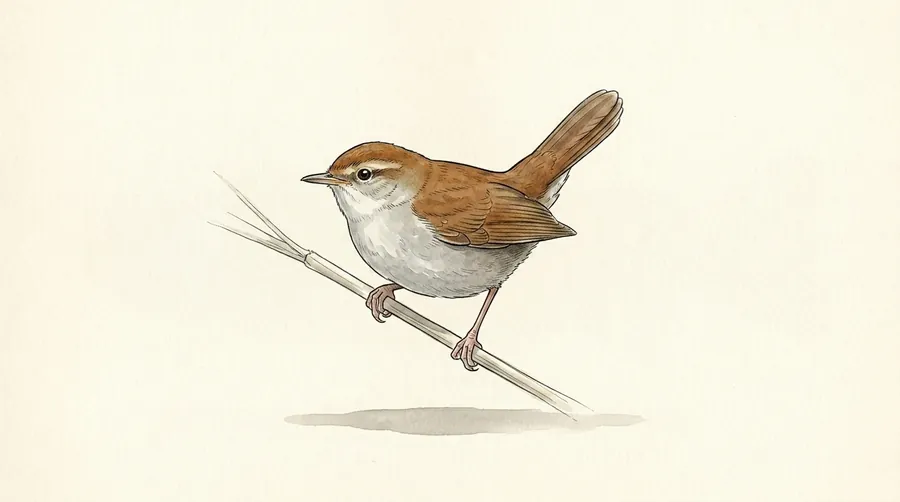
That was a Cetti's warbler, a small bird with a very loud song. It lives deep in thick bushes by water, so you will hear one far more often than you see it. Cetti's warblers are newcomers: they first nested in Britain in 1972.
There it is!
When: Once, after standing still by its bush.
A Cetti's warbler: small and plain, chestnut-brown on top and grey underneath, with a rounded tail it often cocks up. Hiding in thick cover is how it stays safe, so its big voice does the work that bright feathers do for other birds. It is named after an Italian naturalist, Francesco Cetti.
A sealed bottle
When: In the weeks after a flood, very rarely.
Caught in the willow roots: a little corked bottle with a rolled paper inside, tied with copper wire twisted into a heart. It is sealed, and it stays sealed. Nobody knows how far it has come. This river starts as springs in the Vale of Pewsey, crosses the chalk of Salisbury Plain, and reaches the sea at Christchurch.
Eyes in the torch beam
When: At night, with the torch on, at the edges: the east strip, the deer runs and the poplar glade.
Two eyes shining back out of the dark! Deer have a mirror layer at the back of each eye, called the tapetum lucidum. Light that goes through the eye without being caught bounces off it and goes back through again, so the eye gets a second chance to catch it. That helps deer see in dim light, and it is why their eyes glow when a torch finds them. Roe deer and little muntjac both live here. We have no mirror layer, so our eyes don't shine back.
Brimstone
When: March and April, then August and September, on sunny days.
A brimstone! The males are as yellow as butter and the females a pale greenish white, and both have wings shaped like leaves. Brimstones sleep through the winter as grown-up butterflies, hidden among leaves, so on the first warm days of spring they are often the first butterflies you see. Some people think the word "butterfly" began with this butter-yellow insect.
Gatekeeper
When: July and August, on sunny days.
A gatekeeper: smaller and brighter orange than a meadow brown. Look closely at the black eyespot on its front wing: it has two white dots, while the meadow brown's has only one. It got its name because it is so often seen by field gates and hedges, where brambles grow.
The meadow
A fawn hiding in the grass
When: May to July, in the meadow's long grass.
A roe deer mother leaves her fawn lying still in long grass while she goes off to feed, and comes back to feed it. Its spotty coat looks like sunlight and shadow on the grass. If you ever find a fawn, it isn't lost: don't touch it, and walk quietly away.
Meadow brown
When: June to September, even on dull days.
A meadow brown, one of the commonest butterflies in Britain. It flies even on dull, cloudy days, when most other butterflies rest. Its caterpillars eat grasses, so long meadow grass suits it perfectly.
From long ago
A coin in the gravel
When: Seen through "Look under the water" at the main river.
Something round and dull green between two stones. It's a coin! People have found coins in the river here. This one is so worn you can only just see a head. Imagine it slipping out of a Roman traveller's purse while they waded across.
A piece of broken jug
When: Seen through "Look under the water" at the main river.
A curved bit of pottery with a shiny green coat. Pots broke all the time, and people threw the pieces away. Imagine it from a jug in a farmhouse: archaeologists digging in the village have found the hard chalk floors of a medieval farm.
A rusty horseshoe
When: On the mud after a flood has gone down.
A rusty horseshoe in the mud the flood left behind. Horses and carts needed a way across the river, and long ago the villages nearby had to share the job of mending the bridge. How old is this shoe? Nobody can tell just by looking.
A tiny white pipe
When: On the mud after a flood has gone down.
A small white bowl on a broken stem: a clay pipe. For about three hundred years people smoked tobacco in pipes like this. They broke easily, so pieces turn up in fields and rivers. Imagine someone working in the meadow dropping it.
A paw print in a tile
When: On the mud after a flood has gone down.
A piece of curved Roman roof tile with a paw print pressed into it! A real one was dug up nearby in 1969, when a gas pipe was laid across a meadow. While the soft clay tiles lay drying, an animal walked over one. A dog? A cat? Nobody wrote down which.
Someone at the crossing
When: At dusk, at the old crossing.
Did you see someone wading across, just for a moment? There is nobody there now. People have crossed the river near here for about two thousand years: on foot, on horseback and with carts. Imagine all of them.
A wooden sword
When: In the summer undergrowth.
A wooden toy sword, with a scrap of red cloak caught on it. Someone's been playing Vikings! Real Vikings came close: in 1003 a Viking army led by Sweyn Forkbeard burned the town of Wilton, then went to Sarum, and then back to the sea where its ships were. The time dial has gone back to Saxon times.
Tadpole Island is private land; this is a way to explore it from anywhere, not an invitation to visit. The notebook keeps what a child finds and writes only on their own device. Nothing is sent anywhere, and there are no accounts.
Each discovery is something that could be found at that place and season. None of them records a sighting on a particular day. Teachers can find the sources behind every fact in the teacher notes.